Storage for Restaurants: 7 Smart Ways to Cut Waste in 2026
Behind every great dish is a well-run back of house, and behind every well-run back of house is disciplined storage for restaurants. Ingredients are perishable, kitchen space is tight, and food costs eat into margins that are already thin. How you store, rotate, and organise stock decides whether your menu stays profitable or quietly bleeds money into the bin.
This guide breaks down seven practical storage strategies that busy operators can apply in 2026. From dry goods to overflow inventory, the goal is simple: keep food safe, reduce waste, and free up your team to focus on the plate rather than the pantry.
Why Storage Makes or Breaks a Restaurant
Food waste is one of the biggest hidden costs in hospitality. The United Nations Environment Programme’s Food Waste Index reports that the food service sector throws away an enormous share of edible food each year, much of it from poor storage and over-ordering. You can explore the data on the UNEP Food Waste Index Report.
Good storage for restaurants tackles that waste head-on. Correct temperatures extend shelf life, clear labelling prevents forgotten stock, and smart layout stops items from expiring unseen at the back of a shelf. Every kilogram saved is pure margin recovered.
7 Storage Strategies That Pay Off
1. Separate your storage zones
Dry, chilled, and frozen goods each need their own clearly defined area. Mixing them invites spoilage and cross-contamination. Keep raw proteins below ready-to-eat items to prevent drips, and never store chemicals near food.
2. Live by FIFO
First-in, first-out is the golden rule. Place new deliveries behind existing stock so older items get used first. Date-label everything on arrival — a few seconds with a marker saves pounds of waste later.
3. Right-size your on-site storage
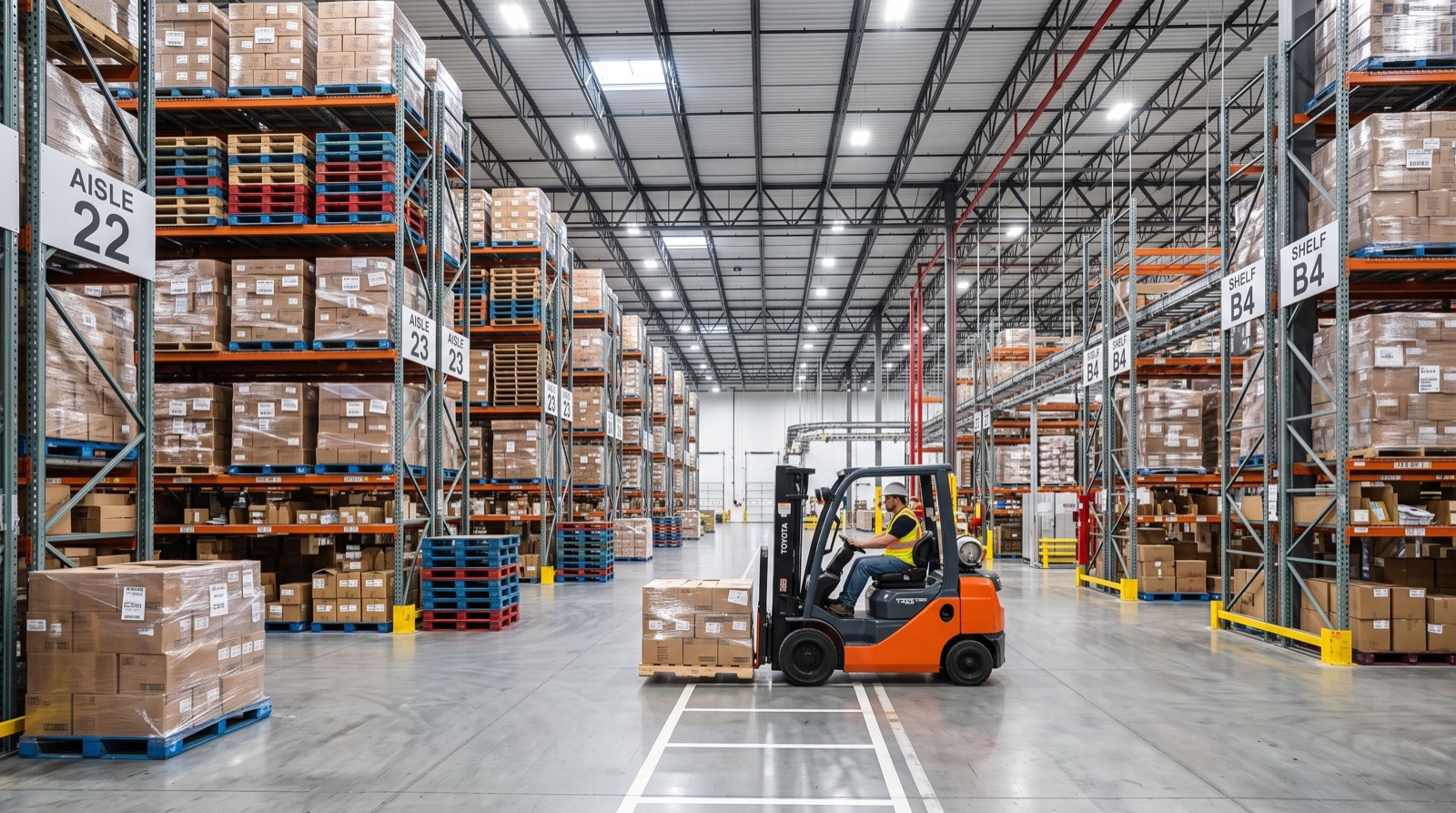
Overstuffed walk-ins run inefficiently and hide expiring stock. If your kitchen is cramped, offload bulk, seasonal, or non-perishable overflow to an external facility and keep only working stock on site.
4. Use airtight, labelled containers
Transfer dry goods like flour, rice, and spices into sealed containers to block moisture and pests. Standardised, stackable containers also make inventory counts faster and more accurate.
5. Monitor temperatures religiously
Fit thermometers in every fridge and freezer, and log readings daily. Automated sensors with phone alerts are affordable in 2026 and catch failures before they ruin a full shelf.
6. Rotate overflow with an external partner
For catering surges, Ramadan demand, or bulk buying discounts, external storage smooths the peaks. Working with an experienced local team gives you flexible space without committing to a bigger lease.
7. Audit and clean on a schedule
Weekly audits reveal slow-moving stock and hygiene issues before they escalate. Deep-clean shelving regularly so storage areas stay compliant and pest-free.
Dry, Chilled, and Ambient: Matching Food to the Right Space
Not every ingredient needs refrigeration. Canned goods, grains, oils, and many packaged items thrive in a cool, dry ambient environment. Overloading your chiller with shelf-stable goods wastes energy and crowds out the perishables that genuinely need cold.
The table below shows where common restaurant inventory belongs.
| Item type | Ideal storage | Approx. temperature |
|---|---|---|
| Flour, rice, pasta, canned goods | Dry / ambient | 10°C – 21°C, low humidity |
| Fresh produce, dairy | Chilled | 1°C – 8°C |
| Raw meat and fish | Chilled (coldest zone) | 0°C – 2°C |
| Bulk frozen stock | Frozen | -18°C or below |
| Paper goods, packaging, equipment | Ambient overflow | Room temperature |
For overflow dry goods, packaging, and equipment, a dedicated off-site space keeps your kitchen clear. Reliable Ambient Storage In Riyadh is ideal for shelf-stable inventory that does not fit in a busy back of house.
How Much Storage Does a Restaurant Really Need?
The answer depends on menu complexity, delivery frequency, and seating capacity. A fast-casual spot with daily deliveries needs less on-site space than a fine-dining kitchen buying in bulk. The trick is to separate working stock from reserve stock.
Keep two to three days of fast-moving perishables close at hand, and push the rest to flexible external storage. This model lowers spoilage, reduces clutter, and lets you scale up for events without renovating your kitchen. Many growing operators now treat professional Storage for Restaurants as an extension of their pantry rather than a separate expense.
Is off-site storage practical for daily operations?
For perishables used hourly, no — those stay on site. But for bulk dry goods, seasonal equipment, backup packaging, and event supplies, off-site storage is highly practical. Schedule a weekly top-up run and you keep the kitchen lean without running out of essentials.
Turning Storage Discipline Into Faster Service
Organised storage does more than cut waste — it speeds up every shift. When line cooks know exactly where each ingredient lives, prep flows without the stop-start hunt for a missing box. Clear labelling and consistent shelf positions shave seconds off every ticket, and those seconds add up across a busy service.
There is an energy angle too. A fridge crammed with shelf-stable goods runs harder and costs more to keep cold. Move those items to the right environment and your refrigeration works less, lowering bills and extending equipment life. In 2026, with utility costs under pressure, that efficiency is a genuine saving rather than a rounding error.
Staff morale benefits as well. A tidy, logical store room is safer and less stressful to work in, which reduces accidents and makes training new hires far quicker. Treat storage as part of your service design and the whole kitchen runs smoother.
Frequently Asked Questions
What is the correct order to store food in a fridge?
Store ready-to-eat foods on top shelves, then dairy, then raw proteins at the bottom. This prevents juices from raw meat dripping onto cooked or ready-to-eat items, a key food-safety principle.
How can storage reduce my restaurant’s food costs?
Proper temperatures and FIFO rotation extend shelf life and cut spoilage, while accurate inventory prevents over-ordering. Together these recover margin that would otherwise end up in the bin.
What dry goods can be stored off site?
Shelf-stable items like canned goods, bulk grains, oils, cleaning supplies, packaging, and seasonal equipment store well off site. Keep only your immediate working stock in the kitchen.
How often should I audit restaurant storage?
Run a quick daily temperature and stock check, and a deeper audit weekly. Monthly, review purchasing data against waste logs to fine-tune order quantities.
Conclusion
Smart storage for restaurants is one of the highest-return habits a kitchen can build in 2026. Separate your zones, enforce FIFO, monitor temperatures, and move overflow to flexible external space, and you will slash waste while freeing up room to cook. Treat storage as a profit centre, not a chore, and the savings will show up on every month’s P&L. Review your setup this week and fix the easy wins first.